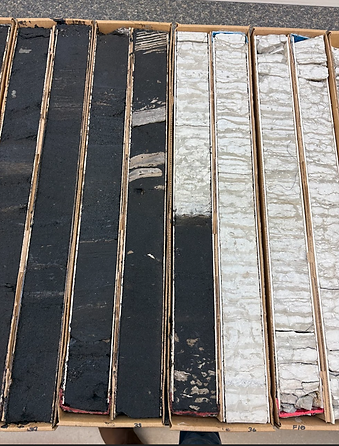
Wellsite Geology
As my first job as a graduate I am fortunate to work on active drilling operations across Alberta, supporting Heavy Oil projects through real-time geological analysis.
My responsibilities include drill cutting sample preparation, sample descriptions, logging, interpretation, reservoir navigation through StarSteer, and supervising the coring process on the rig.
Through this work, I have developed practical skills in conducting proper sample descriptions, understanding drilling operations, collaborating closely with clients, and delivering accurate reports and real-time updates that I strongly value as I continue to grow in the petroleum industry.
01
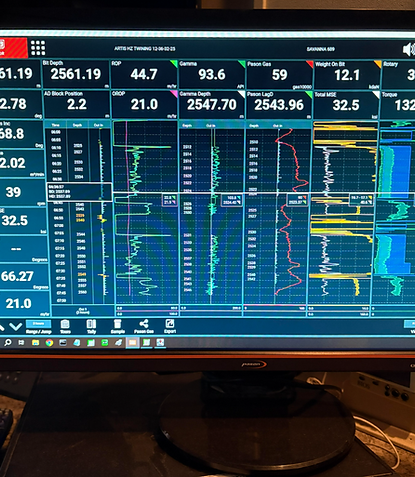
Interpretting Wireline Logs
As a wellsite geologist, I have spent my time interpreting wireline logs to understand subsurface lithology, fluid content, and drilling parameters in real time.
This role has significantly increased my geological awareness in the subsurface.
Each curve and response provides critical information that helps identify formation boundaries, lithological change, and fluid behavior. Wirline interprettation is cricuial for guiding geological interpretation and drilling decisions.
02
Geosteering
This role has also given me skills in geosteering horizontal wells to maintain optimal wellbore placement within the target reservoir.
I have significantly increased my awareness of formation behavior in the subsurface.
Each lithological change, structural variation, and real-time response provides critical information that helps keep the well within zone, optimize reservoir contact, and guide drilling decisions as conditions evolve.

03
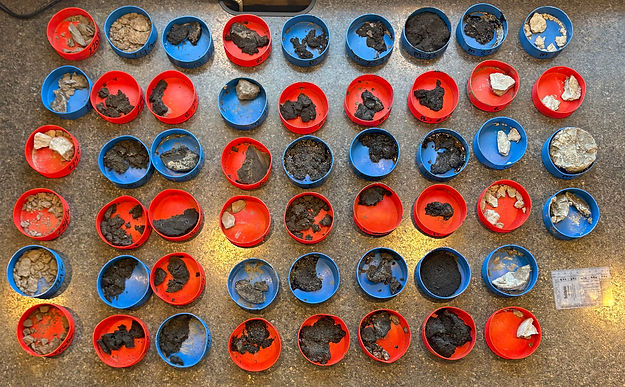
Sample Descriptions
This position has also taught me proper QA/QC of drill cuttings and core samples.
Examining, and describing drill cuttings to interpret lithology is of a large
This role has significantly increased my geological awareness of subsurface variability.
Each sample, down to the smallest grain and textural change, provides critical information that helps identify formation tops, lithological changes, reservoir quality, and drilling conditions, supporting accurate geological interpretation and operational decisions.
04
The Rig
Drilling operations is another important procedure to understand as a geologist.
Working as a wellsite geologist hs taught me that the drilling operations is much more complex than what it is made out to be in univesity and in the office.
A plethora of variables can go wrong on site and many factors need to be assesed before making decisions. People blunder, equipment breaks, the weather can slow down drilling and how people work, and much more.
This job has grounded my understanding of how geology, engineering, and operations intersect in reality. This also has strengthened my ability to assess risk, adapt, and make informed decisions.
